
Every spring, fly anglers across Colorado start watching the calendar — and more importantly, the thermometer. The arrival of the Mother’s Day caddis hatch is the event that signals winter is truly over and the best dry fly fishing of the year is about to begin. On the Eagle River and throughout the Vail Valley, this hatch is nothing short of legendary.
Caddisflies make up the order Trichoptera, and they’re one of the most important food sources in a trout river — not just during the hatch, but year-round. They have a complete life cycle that is made up of four stages: egg, larva, pupa, and adult. Caddis flies fall into three distinct groups: case builders, net builders, and free living. The Mothers’ Day Caddis are one of the case builders. Larvae use a silk-like material to weave pebbles, sticks and other organic material into a protective case. Once conditions are right, the larvae pupate and start moving toward the surface of the river to hatch.
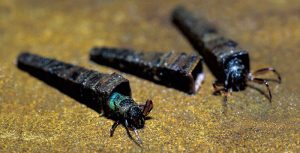
The pupal stage is where it gets exciting for anglers. Once the pupa is ready, it leaves the relative safety of its case and makes a dash toward the surface in a fury of gas bubbles and legs — a helpless, irresistible meal for trout. When millions of pupae make that run simultaneously, the river erupts. This is when fish can be seen making quick, splashy rises as they chase down pupae before they hatch into adults and take flight. Adult caddis emerge, flutter across the water, take flight and reproduce. Later, the females return to skitter and dip across the surface as they deposit their eggs, triggering another round of aggressive feeding.
The Mother’s Day caddis hatch is driven almost entirely by water temperature. Activity picks up as water approaches 52°F, and when temps hit 54°F, the hatch is typically in full swing. On the Eagle River, that usually means peak action in the early afternoon, as midday sun warms the water. Overcast, cool days can spread the hatch out longer; while bright warm days tend to consolidate the hatch into a brief window.
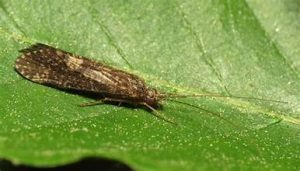
The adult caddis calls for a different approach than a delicate mayfly. These bugs are movers — they skitter, flutter, and bounce. Don’t be afraid to give your dry fly some movement, a subtle twitch or skate it through a seam rather than forcing a dead drift. Patterns with soft hackle or CDC are great for imitating pupae moving through the water column. Check out our selection of flies to imitate Caddis at all stages of their life cycle here.
Top fly picks for the Mother’s Day caddis on the Eagle:
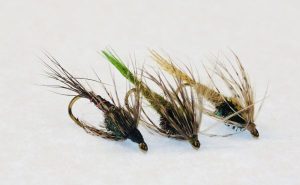
One important reminder from our guides: during a heavy hatch, trout can afford to be selective. If fish are rising but ignoring your caddis adult, look closer — they may be sipping caddis pupae or emergers in the film. Match what they’re actually eating, not what you expect them to eat.
The Mother’s Day caddis hatch on the Eagle River typically runs from late April through late May. Depending on conditions, the hatch may last anywhere from an hour to most of the afternoon and into the evening.
If you want to maximize your time on the water during the hatch, our guides are on the river every day and know exactly where the fish are holding and what they’re eating. Book a trip with Minturn Anglers at minturnanglers.com or call (970) 827-9500 — and don’t forget to call your mom first.
Minturn Anglers — Colorado’s Premier Fly Shop & Guide Service. Located in historic Minturn, CO, on the banks of the Eagle River.
